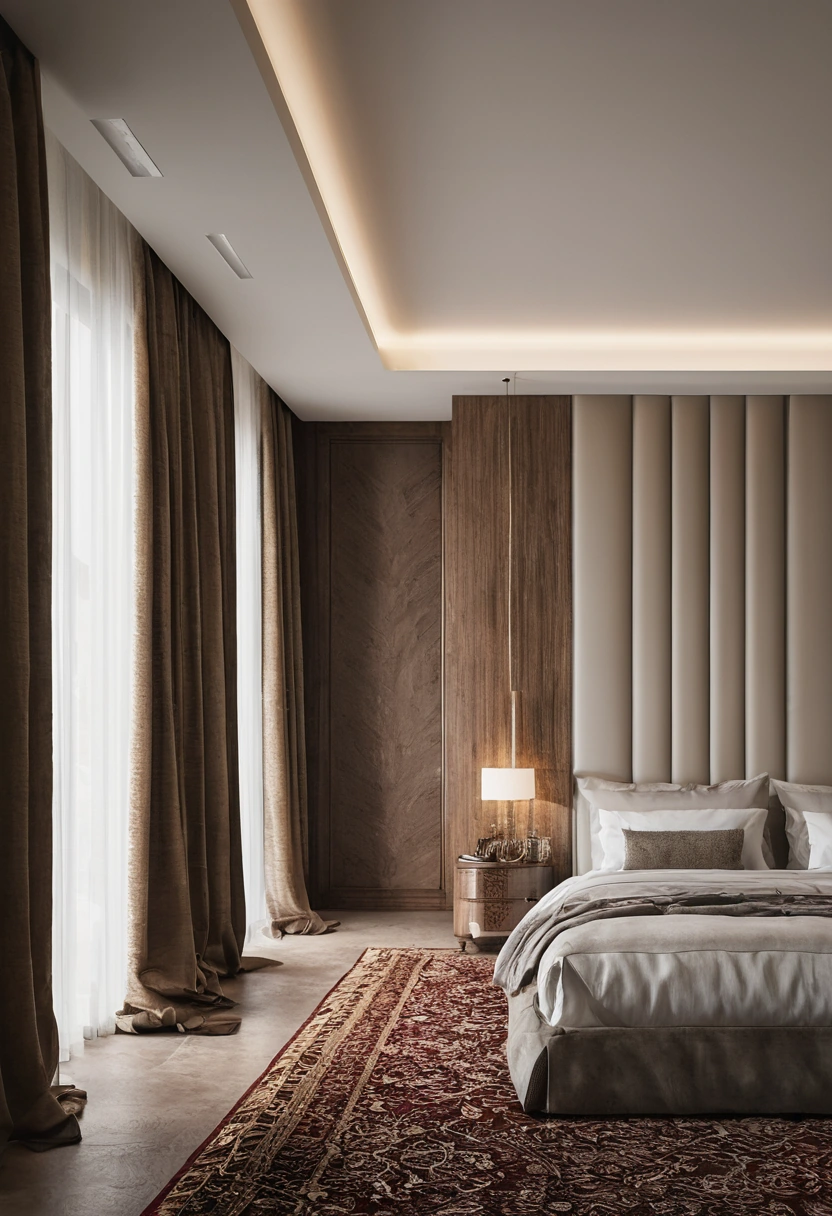
Furnish a Guest Villa for Appearance and Routine Maintenance
A guest villa has to look welcoming on arrival and remain practical after repeated stays. Modenese Furniture makes classic and contemporary furniture, but the useful selection test for a guest property is specific: can staff clean, inspect, move, and repair each piece without disrupting the room? A dramatic cabinet that blocks an air grille or a delicate table placed at the luggage drop point can create avoidable work.
The furnishing plan should start with the guest's route and the maintenance team's route. Guests enter with bags, use beds and seating, place drinks, and open storage. Staff move through the same space to clean surfaces, replace textiles, and inspect damage. A layout that photographs well but makes those operations awkward will demand extra handling every turnover.
Which guest actions should shape the furniture plan?
Map the actions that happen during arrival, an ordinary evening, and departure. A guest needs somewhere to set luggage without placing it on an upholstered chair or polished tabletop. A bedside surface should be reachable from the bed. A desk or dining table should have a nearby outlet if the property expects people to work there. Storage doors need room to open while luggage is present.
Draw the room with furniture in its operating positions: chairs pulled back, drawers open, and luggage at the intended resting place. A plan showing only empty floor between closed objects misses the conflicts that occur in use. For a villa with several bedrooms, repeat the check in each room rather than assuming one furniture package works everywhere. Room geometry and window placement can differ even when the rooms have similar floor area.
Do not claim that a furnishing choice meets accessibility rules by visual inspection. In U.S. transient lodging settings covered by the ADA, the U.S. Access Board's guest-room standard includes specific clear floor space around beds in rooms required to have mobility features. The applicability of those requirements depends on the property and jurisdiction. For any villa advertised with accessible features, a qualified local review is needed before publishing a claim.

How should maintenance affect material choices?
Ask for the care instructions of each wood finish, upholstery fabric, rug, and stone surface before approving the final combination. Materials can look similar but require different cleaners. A maintenance team needs a repeatable method, not a generic instruction to "wipe everything." Where a cleaner is required, its label and the manufacturer's product guidance should govern the surface.
The U.S. Centers for Disease Control and Prevention's facility cleaning guidance says high-touch surfaces should be cleaned regularly and that cleaning products must suit the surface. The guidance distinguishes routine cleaning from disinfection after illness or in other specific circumstances. A guest-property cleaning plan should preserve that distinction; aggressive chemicals used indiscriminately can damage finishes without adding a useful routine benefit.
Inspect the joints and edges that receive repeated contact. A bedside table handle, chair back, and wardrobe door are used more often than decorative panels. The maintenance plan should identify those points for regular inspection. A piece that can be repaired locally may cause less disruption than one that must be removed entirely for a small fault, but repairability has to be confirmed with the supplier for the specific model.
| Use | Furniture area | Question to answer |
|---|---|---|
| Arrival with luggage | Bench, console, cabinet top | Where can a bag rest without damaging a finish? |
| Daily seating | Chair joints and upholstery | How are wear and small faults inspected? |
| Drinks and meals | Tabletop | What protection and cleaning are approved? |
| Turnover cleaning | Rugs, fabrics, hardware | Can staff reach and clean each surface safely? |
Where do sunlight and humidity matter most?
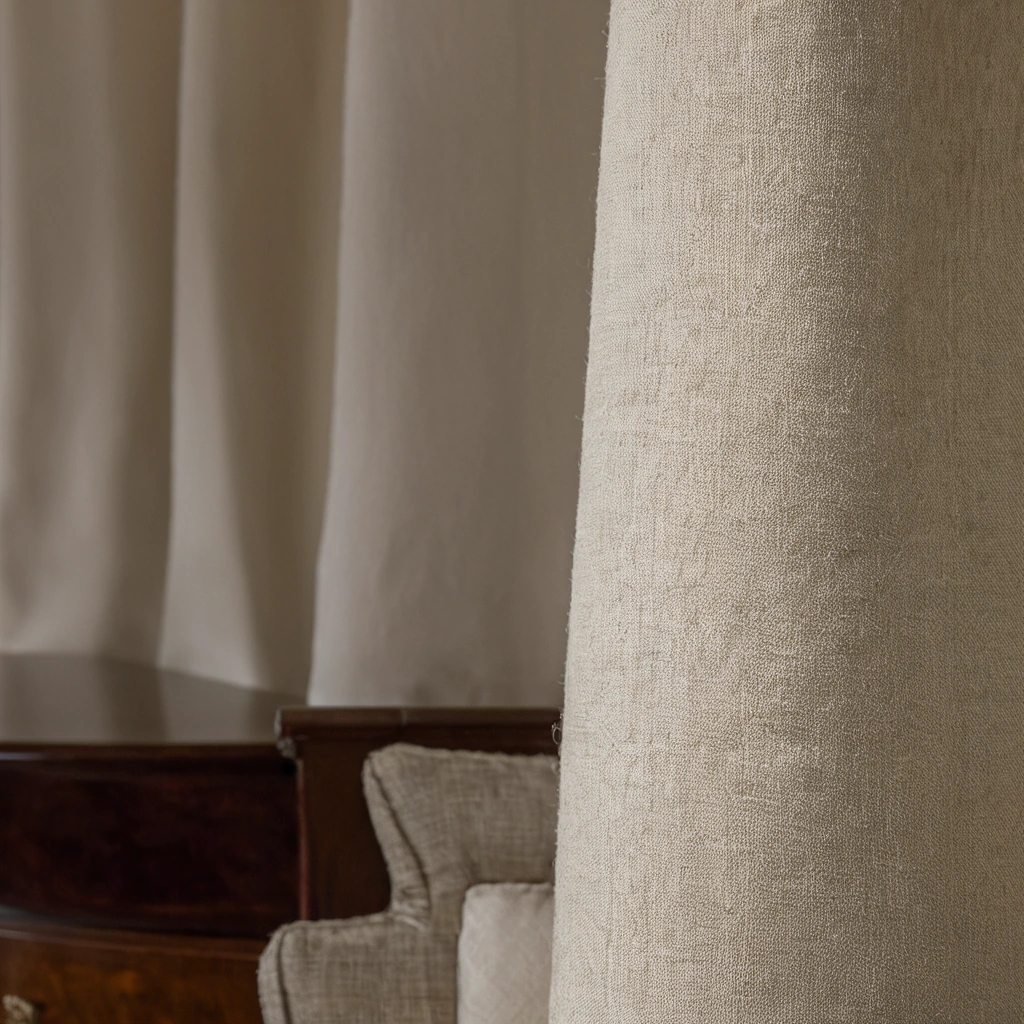
Wood, textiles, and rugs can change under prolonged light and unstable humidity. Map the direct sun path across each room before positioning a cherished or difficult-to-replace piece. A villa with broad glazing may need window coverings as part of the furniture care strategy, not merely as a privacy accessory.
The Canadian Conservation Institute's wood guidance explains that light damage accumulates and that changes in humidity can cause wood to swell and shrink. Its textile guidance describes fading and fiber damage from light. These are conservation principles, not a warranty prediction for a particular new product. The selected supplier's finish and fabric instructions still matter.
Place rugs where they can be vacuumed and inspected without moving heavy furniture every day. The Canadian Conservation Institute warns that chair movement and concentrated furniture weight can wear rugs and leave indentations. Its rug guidance recommends lifting furniture rather than dragging it across a rug. A guest villa may use contemporary rugs with different care labels, but the layout should still permit safe cleaning and movement.
What should a room inventory contain?
An inventory should identify each significant item by room, model or description, finish, care instruction, supplier contact, and replacement or repair component where known. Photograph the item when installed and record a close view of any pre-existing mark. The inventory is an operating tool, not a decorative catalog.
Set a simple inspection rhythm tied to turnovers. Staff can note a loose handle, new stain, or unstable chair before the issue grows. The record should distinguish normal wear from a fault requiring removal from service. A guest should never be expected to discover a wobbly chair and report it after use. A piece with a structural defect needs assessment, not another layer of polish.
Keep spare information where it can be found. Fabric codes and finish names are more useful than a photograph labeled only "cream chair." If the supplier offers replacement hardware or care products, record the exact approved item. Do not assume a new shipment with a similar color name will match an older installed piece. Samples and part numbers reduce guesswork.
Build a small service kit around the approved instructions: spare felt pads, the correct fastener information, and the contact for a qualified repairer. Do not stock a collection of untested polishes in the housekeeping cupboard. A staff member should know which problems can be handled by routine cleaning and which require the room to be taken out of use. That boundary protects guests and prevents a minor defect from becoming a larger repair.
When a supplier replaces a component, record the date and the exact part. A new cushion cover may not match a faded original cover under the same room light. Keep a retained sample where feasible, and compare replacement material in the room before ordering more. Maintenance records also reveal whether the same joint or finish is failing repeatedly, which can justify changing the furnishing choice at the next refurbishment.

How can appearance survive routine use?
Appearance lasts better when the plan accepts ordinary guest behavior. Provide a practical place for luggage, a protected surface for drinks, and enough access to clean around furniture. Avoid relying on instructions that guests will not read. If a tabletop needs a coaster, place one where it will be used. If a rug is vulnerable to rolling luggage, consider the route before choosing its position.
Furniture should also allow the room to be reset consistently after cleaning. Staff need a simple reference photograph and a plan showing where chairs and movable tables belong. Consistency helps a guest understand the space and helps maintenance staff notice a missing or damaged item. A room that requires an elaborate styling session after every stay is expensive to operate.
Before buying, test the room as a guest and as a cleaner. Carry a suitcase through the door; open storage; sit at the table; then trace the cleaning route and reach under the furniture. The result should be a room that can be used and maintained without treating its most visible pieces as untouchable exhibits.